

Being cheated on is almost always profoundly upsetting, regardless of how long the indiscretions lasted or how severe they were. When your trust in your partner has been damaged, it can alter your entire worldview—making it difficult to find faith in your other relationships, your work, and even yourself. But healing after you’ve been cheated on isn’t just possible; it’s also necessary. You deserve to reach a place where you’re able to enjoy your life and trust your interactions with others again.
At TherapyUtah, we provide unique resources and support for people experiencing betrayal trauma as the result of being cheated on. Below, we’ve shared some of our advice for how to move on after this incredibly challenging experience.
How Being Cheated On Affects Mental Health
Infidelity isn’t just emotionally painful; it can actually affect the way your brain works. When you’re in love, your brain produces chemicals associated with happiness, like dopamine and oxytocin. When that love feels damaged or taken away, the brain stops releasing these chemicals—which can produce similar symptoms to withdrawal from addictive substances like drugs or alcohol.
A person who has been cheated on might experience:
- Symptoms associated with PTSD (flashbacks, nightmares, obsessive thoughts, etc.)
- Hypervigilance or hyperarousal
- Trouble regulating eating or sleeping
- An increased risk of depression, anxiety, and chronic stress
How Being Cheated On Affects Future Relationships
Naturally, being cheated on might make you hesitant to trust future partners—but it actually goes deeper than that. People who have been cheated on in the past tend to experience decreased relationship quality and heightened sex drives afterwards, both of which can make forging deep and authentic connections more difficult.
What to Do After You’ve Been Cheated On
Take Time For Introspection
You’ll likely experience a roller coaster of emotions immediately after finding out you’ve been cheated on. Taking the time to investigate these feelings before you do anything else is vital.
Don’t Blame Yourself
It’s extremely common for people who have been cheated on to assume that it must have happened because of a mistake they made or a flaw they have. These cognitive distortions can have serious consequences for your self esteem, so it’s critical to remember that your partner, not you, is responsible for the decision they made.
Avoid Snap Decisions
Many people experience shock in the wake of being cheated on, which can lead to decisions they might not normally make. Fight or flight reactions are common—you might be tempted to lash out at your partner or disengage from them completely.
Keep a Cool Head
While there are certainly good reasons for wanting to discuss what happened or take space, you should avoid making these decisions reactively on the spur of the moment. Instead, make a conscious choice to find an environment where you can process what you’re feeling, and let your partner know what you’re doing. This will help you avoid acting on impulse, which can make the situation worse, and give you an opportunity to collect the information you’ll need later—when it’s time to make choices about the future of the relationship.
Find Support
Taking the time to investigate your emotions on your own is important after you’ve been cheated on, but a support network will be an essential part of your healing process.
Set Boundaries with Friends and Family
You’ll likely have friends and family who want to offer support once they learn what you’ve been through, but you may not want to discuss things with them right away. Talking to friends and family immediately after being cheated on can be difficult, since the experience will still be extremely raw. You may also find that opinions or advice from other people in your life (however well-intentioned it may be) can get in the way of clarifying your own feelings.

Consider Professional Help
Therapists with specific experience helping people move on from betrayal trauma are invaluable resources when you’ve been cheated on—they use proven methodologies to help you clarify your feelings and create actionable strategies for growing past the pain. Perhaps most importantly, you can count on your therapist to be objective and impartial—so there’s no need to feel judged, ashamed, or manipulated, the way some people do when receiving advice from friends or family members.
Put the Relationship in Perspective
Once you understand the way you feel and have established supportive relationships, you’ll have the tools you need to begin investigating the relationship and the factors that may have contributed to the betrayal you suffered.
It’s not your fault if your partner cheats—but if they do, it’s likely that there are other issues in the relationship that created strain or caused distance between the two of you. Discovering these factors will help you see whether the relationship is salvageable, and even if you don’t stay with your partner, it can provide you with information you can use to connect with other people in your life more effectively.
Decide If the Relationship Is Worth Saving
Cheating causes incredible pain for couples, but it doesn’t always mean that the relationship is over. Once you’re in a place where you can honestly look at the circumstances that resulted in your partner’s infidelity, you’ll be better positioned to decide whether you want to stay in the relationship.
This is another area where therapy (either couples therapy for you and your partner or individual therapy for yourself) can help—providing you with a framework you can use to make decisions with confidence.
Communicate with Your Partner
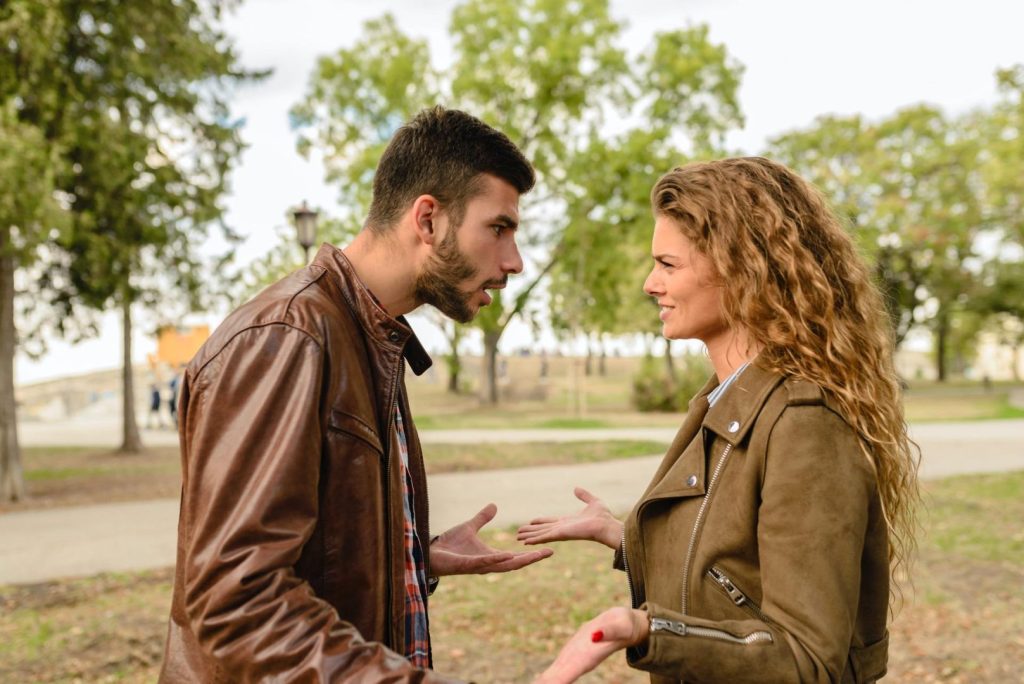
Communication with the person who cheated on you may be the last thing you want or feel ready for, but it’s an important step—regardless of whether or not you end up staying with them. The things we don’t say to each other or work through after experiencing trauma are often sources of regret, which can lead to negative patterns of behavior in future relationships of all kinds.
Set Firm Boundaries
If you decide to leave your partner, it’s essential that you let them know the extent to which you’re willing to let them be part of your life moving forward. This helps protect you, and allows you to change your relationship with them in ways that will allow you to heal (even if it means cutting them out entirely).
Even if you’re staying with your ex, however, it’s vital for the two of you to come to an agreement about the terms of your relationship and how they’ll change so that neither of you hurts the other again. Couples therapy is often invaluable in this process, since it provides a mediator who can help you say the things to each other that need to be said and outline how each of you will meet these new commitments.
Commit to Healing After Being Cheated On
Whether you decide to forgive your ex or leave and start fresh, recovering from being cheated on requires significant bravery and strength. Keep the advice above in mind, and don’t be afraid to reach out for professional help if you need support.
TherapyUtah’s unique resources, including the LIFT Program for Betrayal Trauma, can provide you with a safe environment, a community of people who understand your struggle, and achievable steps you can take to find your way forward. For more information, contact us today and speak with a member of our team.
Ready to talk to someone?
Book online at therapyutah.org or call/text 385-254-3522. We have openings this week.
If you’re in crisis or thinking about harming yourself, you’re not alone, call or text 988 (Suicide & Crisis Lifeline) anytime, or call 911 in an emergency.
Ready to find the right therapist?
Tell us what you’re working through and we’ll match you with a TherapyUtah therapist who truly fits — it only takes a few minutes.
Find your match →Prefer to talk now? Call or text (385) 254-3522


